As a dog owner, you are likely to feel a range of emotions, but perhaps one that many feel at some point is frustration. Frustration with the way your dog is acting; frustration that your dog’s behavior is difficult to change; frustration with yourself for feeling that you are somehow failing as an owner.
While these are all natural reasons for frustration, perhaps we need to look at the root cause of why our dogs behave in the way they do. In many cases, this is derived from your dog’s genetics. The problem with trying to change inherent traits in your dog is that you may be swimming against the tide of generations of ingrained behaviors that have often been specifically harnessed for your dog’s breed (or lineage from selective breeding).
In this article, we’re going to explore why genetics plays such a big part in your dog’s overall behavior – and how you can develop strategies to not only reduce your frustration, but potentially capitalize on your dog’s genetic potential to help meet their physical and cognitive requirements.
Why genetics play such a big role
Ever since dogs were domesticated by humans over 17,000 years ago, their qualities have been used by humans for a variety of activities. A dog who has been trained to protect land and property will have different traits than a dog who may be trained for service dog work, or a dog trained for disciplines like detection or Search and Rescue. There is no shortage of ways that dogs have been deployed by humans to improve our quality of life.
For dogs to perform reliably in their chosen discipline, humans have often selected breeds with specific qualities. These qualities are present at the general level of the breed, and then may be specifically developed through selective breeding practices. Genetics can have a huge influence on traits such as drive levels, alertness, stamina, prey instincts, problem-solving ability, olfactory ability and energy levels. All of these factors shape the overall behavioral picture for your dog – both physically and mentally.
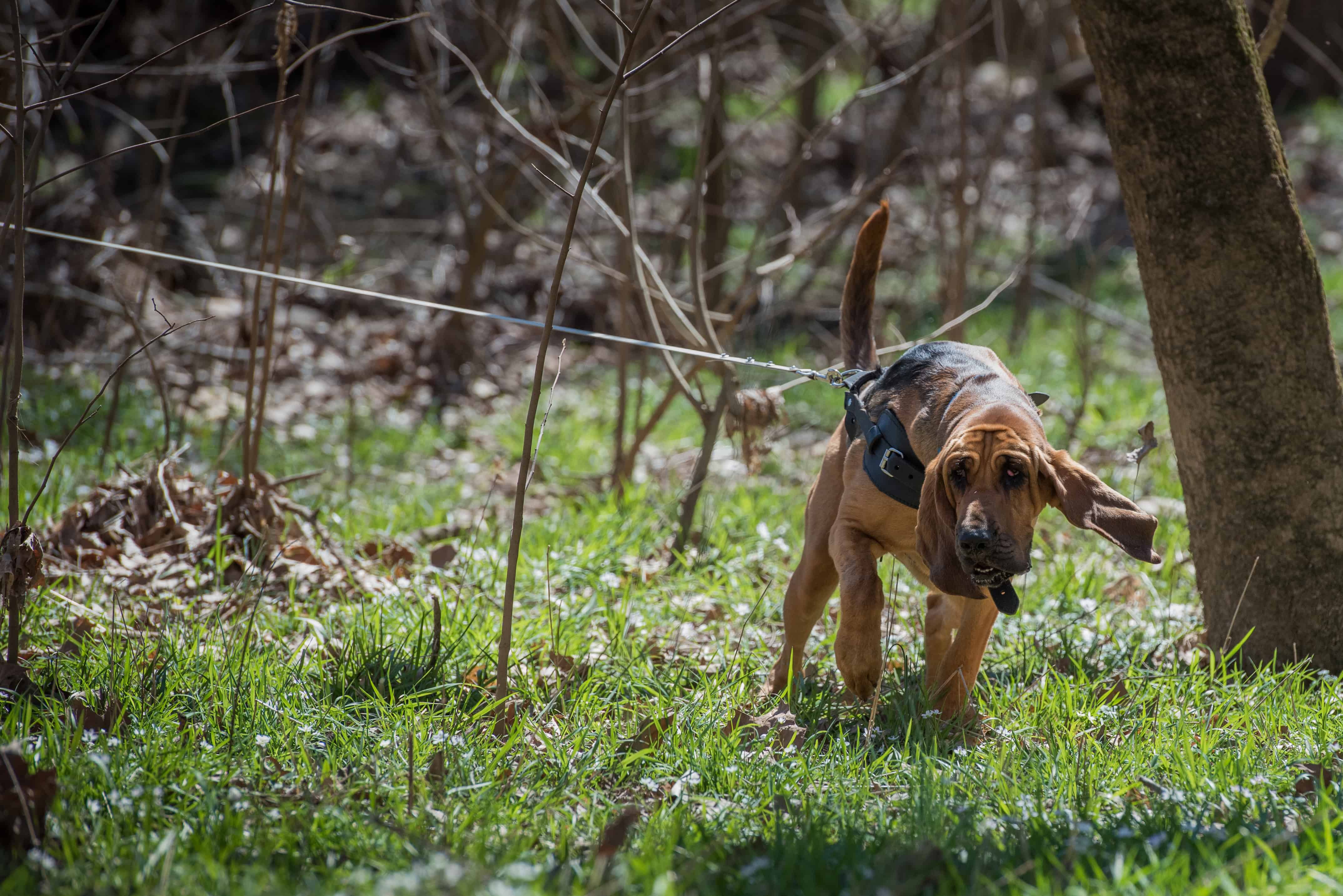
How genetics shape physical needs
Perhaps the most obvious way we can see how genetics has an impact on our dogs is the way it influences their physical requirements. Exercise is a basic necessity for every dog, but why does a Belgian Malinois need to run more than a Cavalier King Charles Spaniel? The simple reason is that the Malinois has been cultivated as a high-drive, high-energy dog with a tireless work ethic, while Cavaliers were traditionally used as lap dogs (they were bred to diverge from the typical hunting characteristics of Spaniels in the mid-twentieth century).
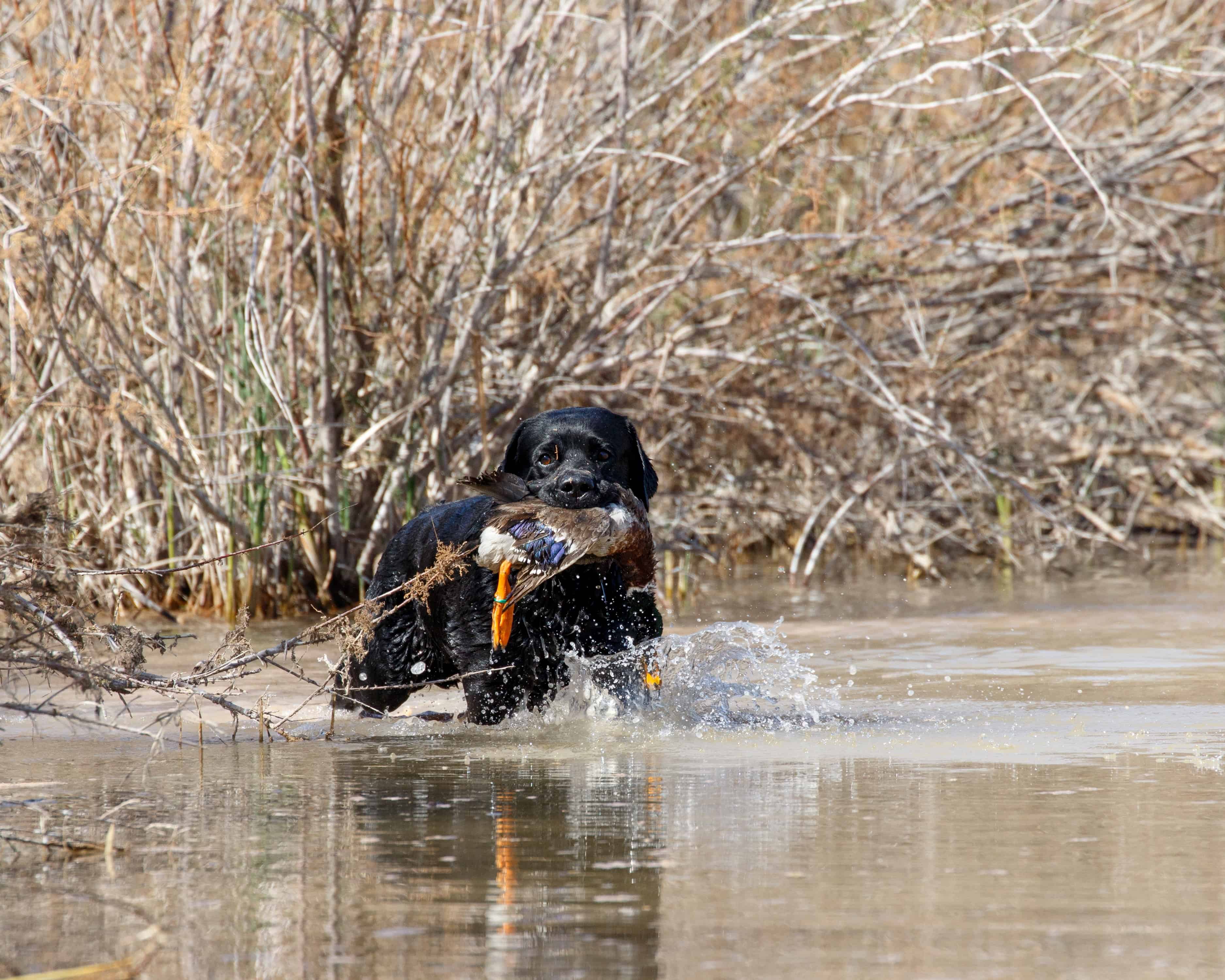
There are numerous other examples. Consider how the stamina and endurance of the Siberian Husky has been utilized for sled dog racing in freezing conditions, or how Retrievers are comfortable in the water to retrieve water fowl or other animals. If you look at the energy and drive of almost any dog breed, you can trace that back to the way that humans have influenced this through the intentional development of the breed.
How genetics shape cognitive needs
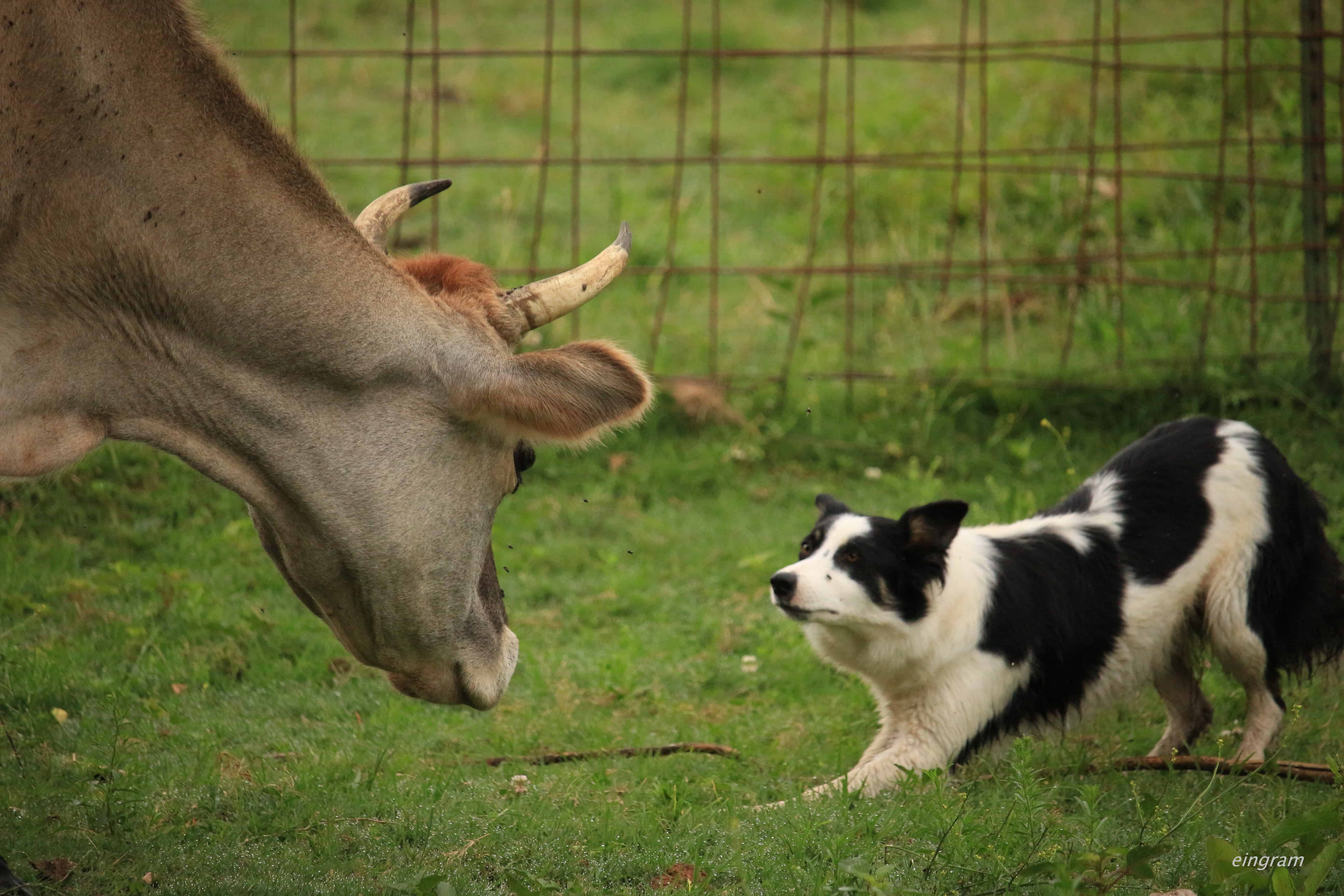
One common area where inexperienced dog owners get themselves in a tangle is misdiagnosing instinctive behaviors as ‘problems’ that have to be solved. For example, a juvenile Border Collie is nipping at heels based on genetic proclivity. Unfortunately, this is also prevalent among inexperienced dog trainers, particularly in online forums or social media groups, where the first reaction is to fix a problem that may not necessarily be fixable.
Look at this list of behavioral traits that is often considered problematic:
- Digging
- Chasing
- Barking/alerting
- High prey drive
- Resource guarding
- Carrying items
In some cases, these behaviors do need to be managed for the dog to successfully integrate into everyday family life. A dog who constantly carries items around the home, or barks at every car passing your front door, is naturally going to cause frustration. However, as opposed to suppressing these natural behaviors (which often increases the levels of frustration), it is usually preferable to think about ways to harness these behaviors.
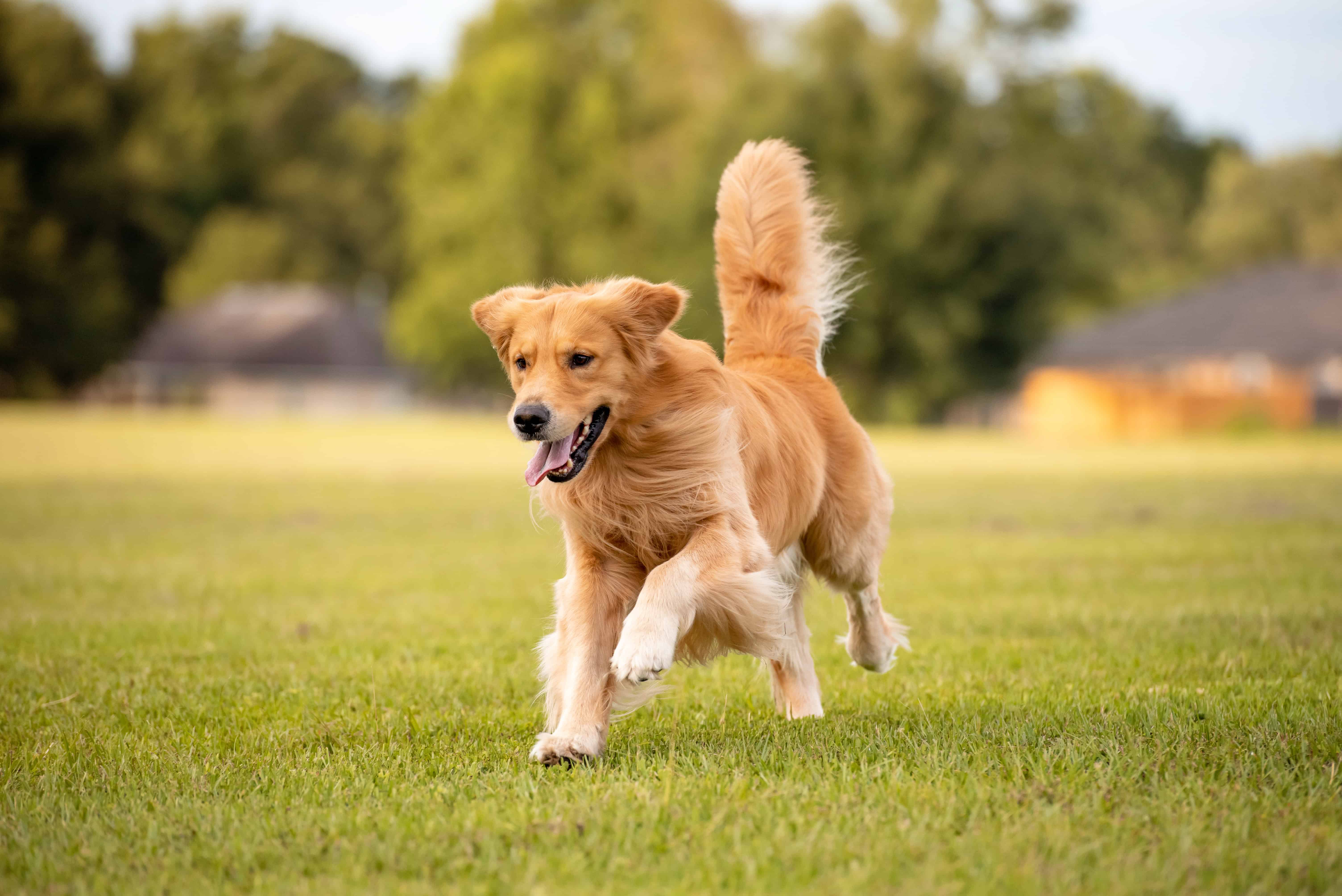
For example, if your dog has the urge to chase and/or has high prey drive, entering your dog in a Fast CAT event can give them the opportunity to run and chase in a controlled setting. Similarly, carrying items may mean that a long game of Fetch is the best outlet for your dog. From that basis – with an outlet in place – it can be easier to refine the behaviors in other contexts (ex: around your home) so that your dog doesn’t feel it is necessary to take their unmet needs into their own hands (or paws) in any setting.
Why breed selections matter when bringing a dog home
The whole discussion around genetics is why it really matters to think about the type of dog you are bringing into your home – and think about it before you bring them into your home.
The best advice I can give you is to spend a minimum of six months to a year – or more – researching the breed that you’re interested in. Talk to people who have experience with this breed, and never get a dog based on looks. Many people will go out and get a dog because they think the breed is beautiful, or they think it looks cool from seeing it in a movie. Before even planning to start looking for a breeder for a particular breed, you should know and have researched all that goes into owning that particular breed – the good and the bad.
What does your lifestyle look like in the next 10 to 15 years with that particular breed? For example, Belgian Malinois are beautiful and renowned for being extremely intelligent with impressive physicality and bravery. However, I don’t recommend getting one if you have a 9 to 5 job. That breed will turn your life upside down, and you will never wear that dog out, as they have a “motor” that can run even after the wheels fall off. To even consider that breed, you should either be a professional dog trainer, fully committed to being a working K9 handler, or completely devoted to an intense dog sport.
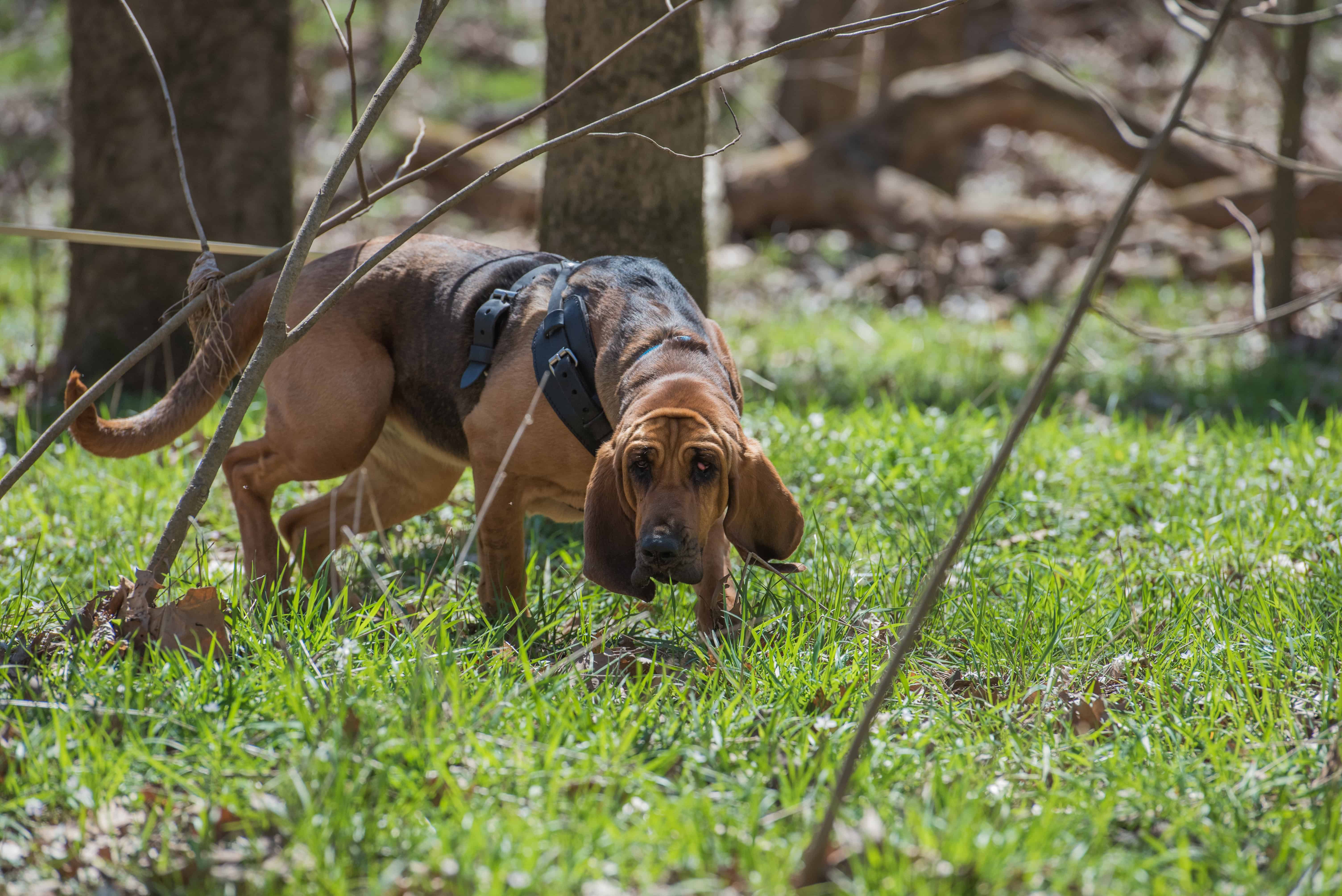
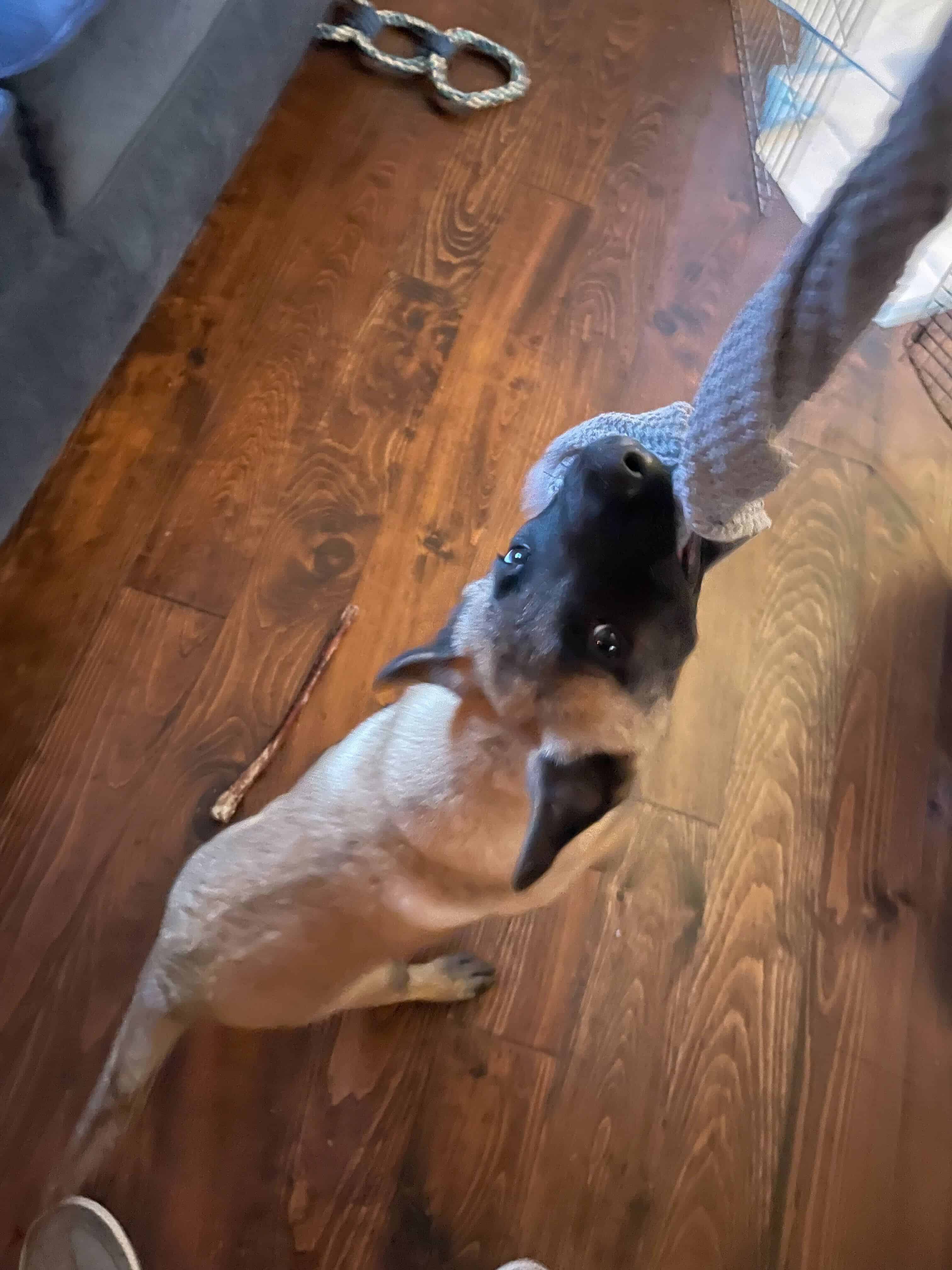
One of the most ridiculous consults I get is hearing someone say, “I decided to get a Belgian Malinois and I don’t understand why they keep biting.” The Belgian Malinois is bred for that, and this is something that anyone can understand with a simple Google search. The first thing you’ll see Belgian Malinois puppies do as pups is jump up, bite, and hang on things like a rag or a rope. This isn’t by accident; this is genetics. Saying that a Belgian Malinois shouldn’t enjoy biting or playing tug is like saying a Bloodhound shouldn’t enjoy using their nose.
It is often near impossible to out-train the genetic traits of your dog. If you own a high-drive dog like a German Shepherd, you have to accept that it needs a level of physical exercise because of its breed characteristics. Sometimes, dog owners jump into a situation without thinking of what their new dog will actually require and the dog pays the price. Owning any dog is a big commitment of about 10-15 years, but higher energy dogs will require more of your time and attention. Selecting the right type of dog for your home will make it a happier and more harmonious experience for everyone involved.
How genetics shapes the approach to dog training
As a professional dog trainer, I passionately believe that the right approach is to harness your dog’s natural traits as opposed to suppressing them. In some instances – consider a high-alert livestock dog who may be keen to herd your children – management is the key alongside providing an outlet for their natural inclinations. Structure and contextual training can help to set the necessary boundaries.
Training will not erase your dog’s genetics, but when carefully and thoughtfully managed, it provides you with the obedience control you need while ensuring your dog’s cognitive and physical needs are met. All dogs want a sense of purpose – just like humans.